
Debris and Overgrowth Removed So the Lot Is Clean Again
Property maintenance in Jamestown for accumulated debris, brush, and discarded material on residential and rental lots
Rental properties and older homes in Jamestown accumulate material in predictable places: along side yards between buildings, behind garages, in the corners of back lots where no one manages on a regular schedule. Brush, discarded items, and years of fallen debris fill those spaces until a full clearing is the only option that makes the lot functional again. True Excavation LLC handles yard cleanup and property maintenance in Jamestown, NY, and the owner does the work himself—which means the person who walks the yard and assesses what needs to come out is the same person doing the clearing. That accountability changes what gets caught and what does not.
The work begins with a walk of the area to separate what is there: debris, trash, brush, and any trees that need to come out. Clearing then proceeds in sections so the progress is visible as it moves, rather than the lot looking disturbed for the entire duration. Haul-away and disposal are quoted separately from the labor of clearing, since the volume and type of material—particularly on properties that have accumulated mixed debris over many years—varies enough that bundling those costs upfront leads to inaccurate estimates. Everything is confirmed with the owner directly before work begins.
To get a clear picture of what the cleanup will involve, schedule a walkthrough of the property with True Excavation LLC before any commitment to scope or schedule is made.
Why [Property Condition] Determines How Cleanup Is Sequenced
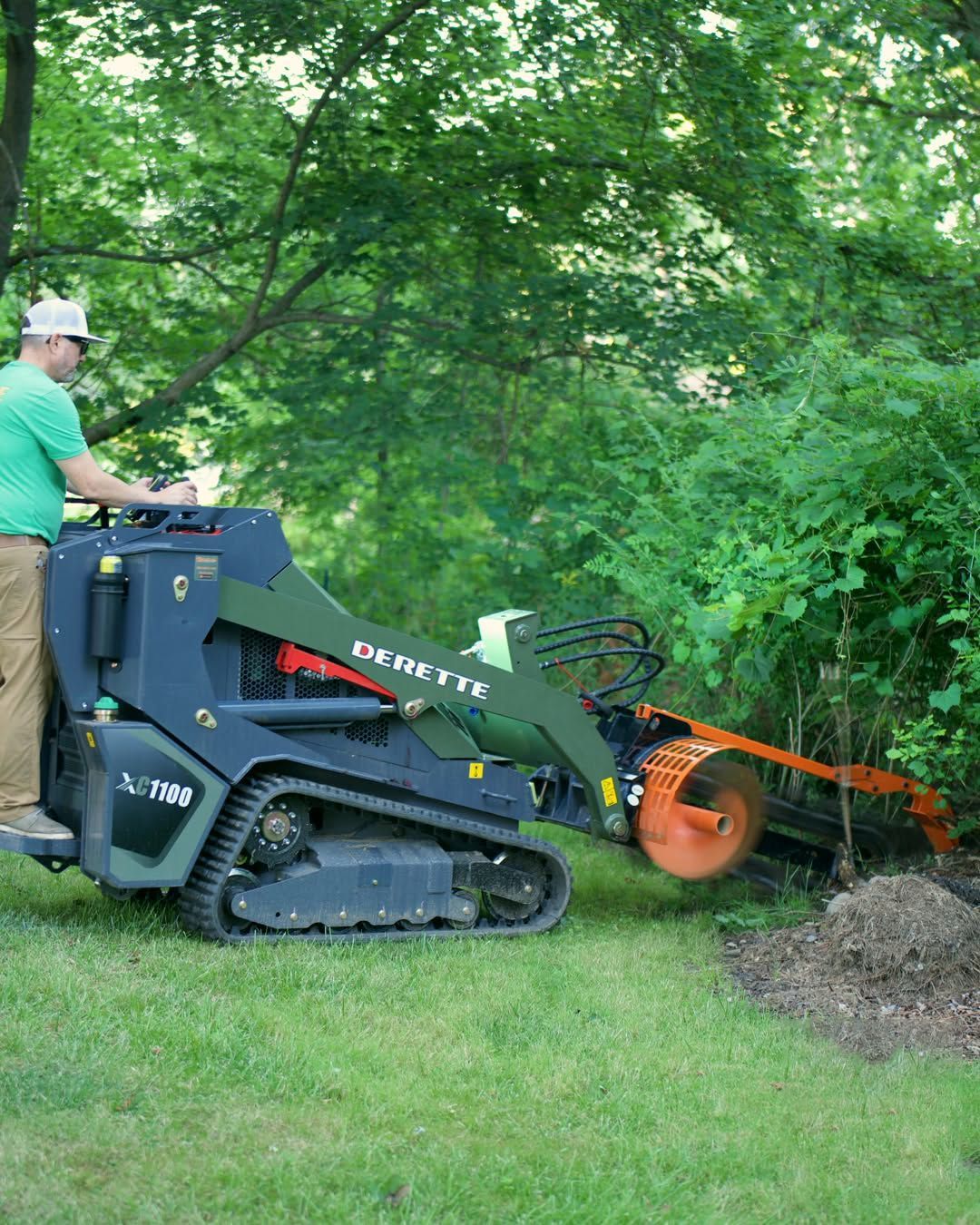
Property maintenance on neglected lots is not a single sweep—it requires sorting what is present before it can be removed efficiently. Debris and trash that is mixed with brush and organic material cannot all go to the same destination, and separating it after the fact wastes time that would have been saved by identifying the material types during the initial walk. True Excavation LLC approaches cleanup in sections, which keeps each cleared area visible and allows the work to be reviewed incrementally rather than assessed only at the end. A 125-foot by 8-foot lot of the type the owner has cleaned previously—running along a side yard and carrying debris, trash, and trees—is representative of what many Jamestown residential properties accumulate along their boundaries over years of deferred maintenance.
Once a cleanup is complete, the physical change to the lot is immediate and specific: side yards that were inaccessible are passable, fencing and property boundaries are visible rather than obscured by growth, and material that was creating an eyesore or a potential code concern is gone. For rental properties where the accumulation has been gradual over multiple tenancies, the finished lot often looks substantially larger than it did before clearing, simply because the debris was compressing the usable space.
What is included in a cleanup engagement depends on what the property holds. Tree removal is part of the scope when trees need to come out as part of the clearing, but
stump grinding is a separate service if stumps are left behind after removal. Haul-away costs reflect the actual volume removed, which is why disposal is quoted apart from the labor rather than estimated without knowing what the lot contains.
Straightforward Answers About the Cleanup Process
The questions below address how yard cleanup and property maintenance work is assessed, sequenced, and completed. What is on the lot and how long it has been there both affect how the job gets approached.
How does the owner determine what needs to come out versus what should stay?
The initial walk of the property identifies everything present and the owner distinguishes between established plantings the property owner wants to keep, debris and brush that needs to go, and any trees being removed as part of the scope. That separation is confirmed before work starts so nothing is removed that should have stayed.
Why is working in sections more effective than clearing the entire lot at once?
Clearing in sections allows material to be removed progressively rather than staging large volumes of debris across the entire lot before any of it is hauled. It also makes progress visible throughout the job so the property owner can see what is complete, which is particularly useful on larger lots where the full scope spans multiple areas with different types of material.
What happens with mixed debris that includes both organic material and discarded household items?
Organic debris—brush, fallen wood, and cut vegetation—and non-organic waste go to different disposal destinations, and some municipalities have separate requirements for each. Those categories are identified during the walkthrough and separated during clearing rather than loaded together and sorted later, which keeps disposal logistics straightforward.
How do older Jamestown rental properties typically accumulate debris differently from owner-occupied homes?
Rental properties in older Jamestown neighborhoods tend to accumulate material along side yards and back lots because those areas are outside normal tenant upkeep, and turnover between tenancies often means no single party clears what the previous occupant left. By the time a full cleanup is needed, the accumulation may represent several years of layered debris rather than a single season of neglect, which affects how deeply the clearing needs to go to reach actual grade.
What should a finished cleanup look like so you can confirm the work is complete?
The lot should be walkable across its full usable area with no remaining debris piles, cut material left at grade, or material staged for later removal. Fencing, structures, and property boundaries should be visible and accessible, and the ground surface should be clear enough that whatever comes next—seeding, grading, or regular maintenance—can begin without a second clearing pass.
True Excavation LLC also handles property maintenance in Chautauqua County, Falconer, Dunkirk, Westfield, and Olean. To discuss what your property currently holds and what a cleanup would realistically involve, call (716) 489-8043 and set up a walkthrough with the owner before any scope is finalized.