
Post Holes Bored to Depth Without Damaging the Lot
Post hole drilling in Jamestown for fences, decks, signs, and garden structures where access and placement require precision
Jamestown and Falconer lots are typically narrow, with utility lines, existing fences, sheds, and neighboring structures running close to the property line. Placing a post hole in the right location on a lot like that is not simply a matter of running an auger in a straight line—it requires confirming the post layout, locating buried lines, and choosing equipment that fits the access without disturbing what is already there. True Excavation LLC drills post holes in Jamestown using a skid steer-mounted post hole digger, which can work through fence gates and into back yards where a truck-mounted rig cannot reach. Clients use this work for fence installations, deck footings, sign posts, and garden structures.
Before drilling begins, the crew confirms the post layout and contacts the utility locating service to mark buried lines in the work area. The auger is then sized to the post and load requirements—the fleet includes 12-inch and 18-inch diggers—and holes are bored to the depth the application needs. Spoil is cleared or spread as the customer prefers, and holes can be left open for the customer to set posts themselves, or posts can be set in place to the customer's specification.
Reach out to True Excavation LLC to confirm your post layout and arrange drilling once your utility marks are in place.
The Difference Between Correct and Rushed Post Hole Work
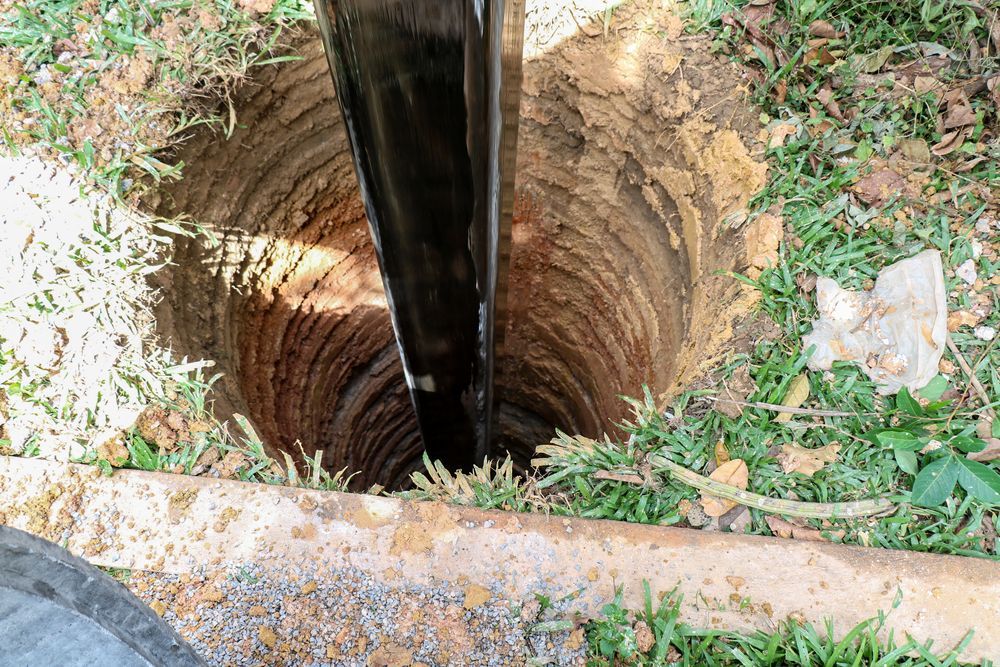
Post hole quality comes down to three things: location, diameter, and depth. A hole drilled in the right spot but at the wrong diameter leaves the post sitting loose in oversize fill, which shifts over time. A hole at the right diameter but insufficient depth puts the post above the frost-affected zone, where ground movement can rack a fence or heave a deck footing. The 12-inch and 18-inch augers in the True Excavation LLC fleet correspond to the two most common residential post sizes, and the depth is set to match what the post material and structural load require rather than stopping at a convenient point.
Once drilling is complete, the hole is clean-sided with a consistent diameter from top to bottom, which means concrete—if the customer is using it—fills the void fully rather than leaving air gaps against loosened sidewall material. The spoil pile is placed where it does not interfere with post setting, and the work area is left clear for the next trade or the homeowner's own installation work.
Whether holes are left open or posts are set on-site, the outcome of the visit is a set of bored holes at confirmed locations that match the layout the customer has planned—not approximate positions that require adjustment before the fence or deck framing can proceed.
Questions Before Starting Your Project
Post hole drilling questions usually come down to how hole placement is confirmed, what determines diameter and depth, and what happens if buried lines or access constraints change the plan. These answers address the decisions involved in the work itself.
How is hole placement confirmed before drilling starts?
The crew walks the post layout with the customer before the auger is set, confirming that each hole position matches the fence or structure plan and that buried utility marks are clear of the drilling path.
What determines which auger diameter is used for a given post?
The 12-inch auger suits standard fence posts and light garden structures, while the 18-inch auger is used for deck footings and larger posts that require a wider concrete footing to distribute the structural load.
Why does a skid steer-mounted digger matter on a Jamestown lot?
Many back yards and side yards in Jamestown are accessible only through a fence gate or a narrow passage between structures—the skid steer fits where a truck-mounted rig cannot, which means the holes can be drilled where the layout actually requires them rather than where a large machine can reach.
What should you do to prepare the work area before drilling?
Having the post layout staked or marked before the crew arrives reduces the time spent confirming positions on-site and helps ensure that the hole locations match the structure plan exactly before any soil is disturbed.
How does drilling into an established lawn or garden differ from drilling in open ground?
In a planted yard, spoil needs to be placed carefully so it does not smother adjacent plantings, and the access path for the machine is chosen to avoid compacting root zones or damaging existing landscape features near the drilling area.
True Excavation LLC also
drills post holes in Chautauqua County, Falconer, Dunkirk, Westfield, and Olean. To discuss your post layout, the auger size your project requires, and access on your specific lot, call (716) 489-8043 and set up a time to walk through the plan before drilling day.